
Property Rights, Homeless Encampments, and the Everyday Legal Maze in Victoria, BC.
A deep look at what residents are facing—and what they can do about it
Victoria is a city of contrasts. On one hand, it looks like a postcard: ocean views, heritage buildings, and a walkable downtown that draws tourists from around the world. On the other hand, it is a city grappling with a complex human crisis like homelessness which is playing out in parks, boulevards, and private properties across the region.
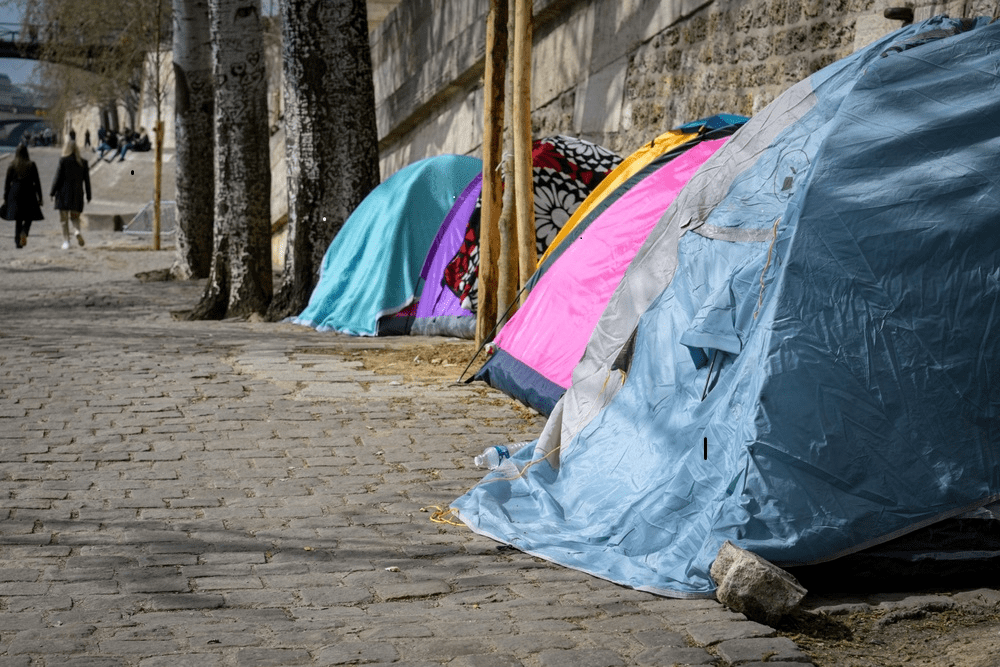
For many residents, the issue is not abstract. It is lived daily: tents near their homes, vandalism to their businesses, trespassing on their property, or safety concerns in spaces they once felt comfortable using. And, when they turn to the city or police for help, they often discover that the legal landscape is far more complicated than they expected.
This article explores that landscape in Victoria, British Columbia and offers practical steps for residents trying to navigate it.
The Legal Reality: Why Property Owners Feel Stuck
To understand why Victoria residents often feel powerless, you have to start with the courts.
A. Courts Have Affirmed the Right to Shelter Outdoors
For nearly two decades, BC courts have consistently ruled that if adequate shelter space is unavailable, municipalities cannot prohibit homeless individuals from sleeping or sheltering in public spaces.
This principle was cemented in cases, including:
- Adams v. City of Victoria 2008 BCSC 1363 where The BC Supreme Court ruled that Victoria’s bylaws banning temporary shelters in parks violated Section 7 of the Charter (life, liberty, security of the person).
Subsequent cases across British Columbia have reaffirmed that outdoor sheltering is a constitutional right when no alternative exists.
This means:
- Cities cannot automatically “clear out” encampments unless they can offer adequate indoor shelter.
- Police cannot remove people from public spaces solely because they are camping.
- Municipal bylaws must be carefully written to avoid violating Charter rights.
For property owners, this creates a frustrating dynamic: public spaces near their homes or businesses may end up hosting encampments, especially during shelter shortages.
B. New Lawsuits Are Challenging Daytime Restrictions
While most court rulings have focused on nighttime sheltering, a new wave of litigation is pushing the boundaries further.
The BC Civil Liberties Association (BCCLA) and unhoused residents are currently challenging Vancouver’s daytime sheltering restrictions, arguing they violate:
- Section 7 – Life, liberty, security
- Section 12 – Protection from cruel and unusual treatment
- Section 15 – Equality rights
If these challenges succeed, they could influence how Victoria must approach daytime encampments as well.
In practical terms, this could mean:
- Longer‑term encampments in parks
- More legal protections for people sheltering during the day
- Even fewer enforcement tools for municipalities
Victoria residents already feel the strain of limited enforcement; these legal shifts may intensify that feeling.
C. The Impact on Property Owners in Victoria
Residents and businesses in Victoria frequently report:
- Repeated trespassing on private property
- Vandalism, including broken windows, graffiti, and property damage
- Encampments forming near homes or businesses, sometimes within feet of private boundaries
- Slow municipal response, especially when issues fall between police, bylaw, and provincial agencies
- Police unable to act unless a clear criminal offence is occurring
The frustration is understandable. Property owners often assume that trespassing or vandalism will trigger immediate action. But the reality is more nuanced:
- Police prioritize violent or high‑risk incidents. Police may treat a simple trespass (e.g., someone on private land without permission but not causing trouble) as a lower priority than offences involving threats, violence, or property damage, simply because police resources are finite and prioritization is based on urgency and safety.
- Bylaw officers have limited authority and cannot remove people without meeting strict legal thresholds. Trespassing is a provincial offence (for which tickets are often issued), not an indictable (serious criminal) offence in most cases. There is no criminal record for a simple Trespass Act violation unless there is related criminal behaviour.
The result? Many residents feel they are stuck in a system that protects everyone except them.
Why Victoria’s Situation Feels Especially Intense
Victoria’s homelessness challenges are shaped by several local factors:
A mild climate that attracts year‑round outdoor sheltering
Victoria’s weather makes it one of the few Canadian cities where outdoor survival is possible year‑round. This may increase the number of people sheltering outdoors.
A shortage of supportive housing
Despite new housing initiatives, demand far exceeds supply. When shelters are full, the city’s enforcement options shrink dramatically.
Concentrated encampments in high-visibility areas
Parks like Beacon Hill, Stadacona, and Topaz have all seen major encampments in recent years. Even when cleared, they often re‑form elsewhere.
A patchwork of agencies
Responsibility is split between:
- City of Victoria
- District of Saanich
- City of Esquimalt
- CRD
- BC Housing
- Island Health
- Victoria Police Department
- Sannich Police Department
- Bylaw Services
This fragmentation leads to slow response times and unclear accountability.
What Regular People in Victoria Can Do
Despite the challenges, residents are not powerless. There are practical, lawful steps that can make a real difference.
Protecting Your Property: Legal and Practical Measures
These steps won’t solve the systemic issues, but they will strengthen your position and reduce risk.
Document Everything
This is the single most important step. Keep a record:
- Photos and videos of incidents
- Dates, times, and descriptions
- Police file numbers
- Emails or calls to the city
- Witness statements (if applicable)
Documentation is essential if you ever need to:
- File an insurance claim
- Seek restitution
- Request increased police or bylaw attention
- Pursue civil action
Use Lawful Property‑Protection Measures
Victoria residents can legally install:
- Motion‑activated lighting
- Security cameras (avoid pointing them into private areas of other homes)
- Fencing or gates (subject to municipal height restrictions)
- Clear signagesuch as “Private Property” or “No Trespassing”
These measures serve two purposes:
- They deter unwanted activity.
- They demonstrate to authorities that you’ve taken reasonable steps to protect your property.
File Police Reports for Criminal Acts
Even if police cannot respond immediately, filing a report:
- Creates a record
- Helps identify patterns
- Supports future enforcement
- Strengthens your case if you seek legal remedies
Criminal offences include:
- Trespassing
- Vandalism
- Break‑ins
- Theft
- Harassment or threats
Contact Municipal Bylaw Enforcement
Bylaw officers can act on:
- Fire hazards
- Garbage accumulation
- Unsafe structures
- Blocked sidewalks or entrances
- Public health concerns
While they cannot remove people simply for being present, they can enforce safety-related bylaws more quickly than property‑rights complaints.
Navigating Freedom of Speech or Public Space Conflicts
Victoria residents sometimes find themselves in tense interactions, whether with unhoused individuals, activists, or city officials. Understanding your rights helps you stay grounded.
- Know Your Charter Rights
You have the right to:
- Peaceful expression
- Peaceful assembly
- Recording in public spaces(with limits)
However, these rights can be limited when:
- Safety is at risk
- You interfere with police or bylaw duties
- You record in areas with a reasonable expectation of privacy
- If Your Expression Is Restricted
You can:
- File a complaint with the City of Victoria
- Contact the BC Civil Liberties Association
- Seek legal advice for potential Charter challenges
Most residents never need to escalate this far, but it is important to know the options.

When to Seek Legal Help
There are moments when professional legal support becomes necessary.
Consider consulting one of our lawyers if:
- The city is not responding to repeated safety concerns
- You are facing legal action related to protests or expression
- You want to challenge a bylaw
- You are considering a civil claim for damages
- You are dealing with repeated, targeted vandalism or harassment
A lawyer can help you understand:
- Your rights
- Your liabilities
- Your realistic options
Community‑Level Solutions That Actually Work
While legal tools matter, many Victoria neighbourhoods have found that community‑based approaches can be surprisingly effective.
-
Community Policing Teams
Victoria and Saanich Police both operate community‑focused units that:
- Build relationships with residents
- Monitor hotspots
- Connect with unhoused individuals
- Coordinate with bylaw and outreach teams
These teams often respond faster than general patrol units.
- Outreach Workers
Organizations like:
- SOLID
- AVI
- Our Place
- Cool Aid
- Pacifica Housing
can help de‑escalate situations and connect unhoused individuals with services.
- Business Improvement Associations
Downtown Victoria, Harris Green, and other areas have Associations that:
- Coordinate security patrols
- Advocate for businesses
- Work with city staff on safety initiatives
- Mediation and Dialogue
Some neighbourhoods have found success through:
- Community meetings
- Mediation between residents and unhoused communities
- Collaborative problem‑solving with city staff
These approaches don’t replace enforcement, but they can reduce conflict and improve communication.
The Bigger Picture: Why This Issue Is So Hard to Solve
Victoria’s homelessness crisis is not simply a matter of enforcement. It is tied to:
- Mental‑health and addiction challenges
- Poverty
- Housing shortages
- Lack of supportive housing
- Provincial and federal policy gaps
Property owners often feel like they are carrying the burden of systemic failures they did not create. And in many ways, they are; but until the broader issues are addressed, residents must navigate the legal landscape as it exists, not as they wish it were.
Final Thoughts: Finding Balance in a Difficult Moment
Victoria is at a crossroads. The city is trying to balance:
- The rights of unhoused people
- The safety and security of residents
- The legal constraints imposed by the courts
- The practical limits of police and bylaw resources
It is not easy. And for many residents, it doesn’t feel fair.
But understanding the legal framework and knowing what tools are available can help people feel less powerless and more prepared.
You may not be able to change the entire system, but you can protect your property, assert your rights, and push for better solutions in your community. Please call us if you need legal advice: 250-381-4040.